Back-to-School Car Care: Ensuring a Safe Journey for the New School Year
Back-to-School Car Care: Ensuring a Safe Journey for the New School Year
As the back-to-school season approaches, ensuring your car is in top condition becomes crucial, whether you're a parent driving your kids to school or a student commuting to college.
A well-maintained vehicle not only ensures safety but also enhances fuel efficiency and longevity. This blog post will guide you through essential car care tips, covering routine maintenance, diagnostics, and handling more serious repairs. Let's dive into how you can make your vehicle road-ready for the school year.
Routine Maintenance: The Foundation of Reliable Auto Care
Routine maintenance is the cornerstone of any car care regimen. Regular check-ups and timely servicing can prevent minor issues from escalating into costly repairs.
Here’s a checklist to keep your vehicle in prime condition:
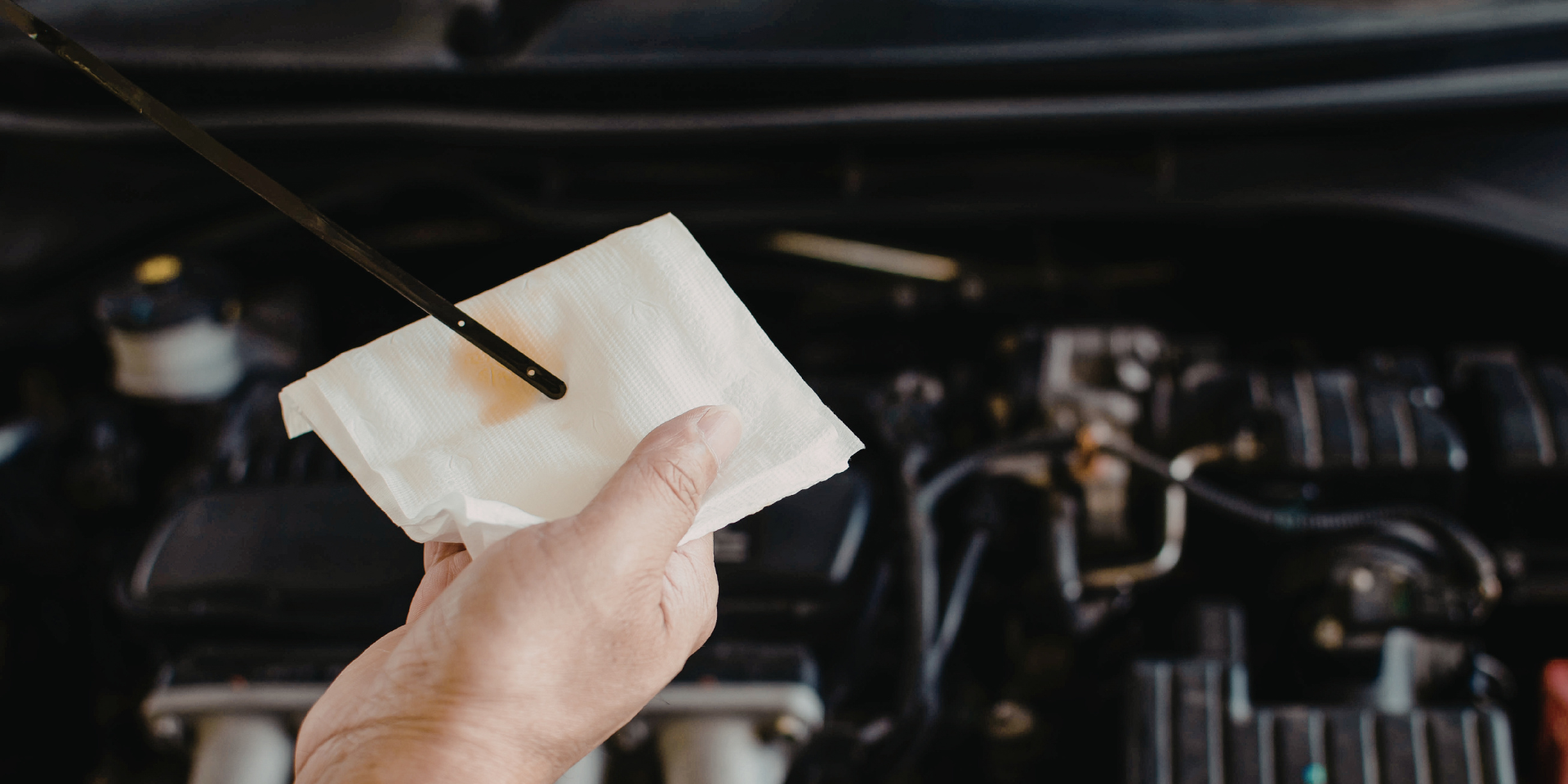
- Oil and Filter Change: Regular oil changes are vital for engine health. Check your car's manual for recommended intervals and stick to them. Fresh oil reduces engine friction, prolonging its life.
- Tire Care: Ensure your tires are properly inflated, as under-inflated tires can reduce fuel efficiency and increase wear. Regularly check tire tread depth and consider rotating your tires every 6,000-8,000 miles to promote even wear.
- Brake Inspection: Brakes are crucial for safety. Listen for any unusual noises and feel for any changes in braking performance. Have brakes inspected regularly to ensure they're functioning correctly.
- Fluid Levels: Regularly check and top off essential fluids, including coolant, brake fluid, transmission fluid, and windshield washer fluid. Each plays a critical role in your vehicle’s operation and safety.
- Battery Check: Inspect your battery for corrosion and ensure it's charged adequately. Consider having it tested if it's over three years old to avoid unexpected failures.
Diagnostics: Identifying and Addressing Potential Issues
Early diagnosis of car problems can save you time and money. Modern vehicles come equipped with onboard diagnostics that can alert you to issues before they become severe. Here's how you can utilize diagnostics effectively:
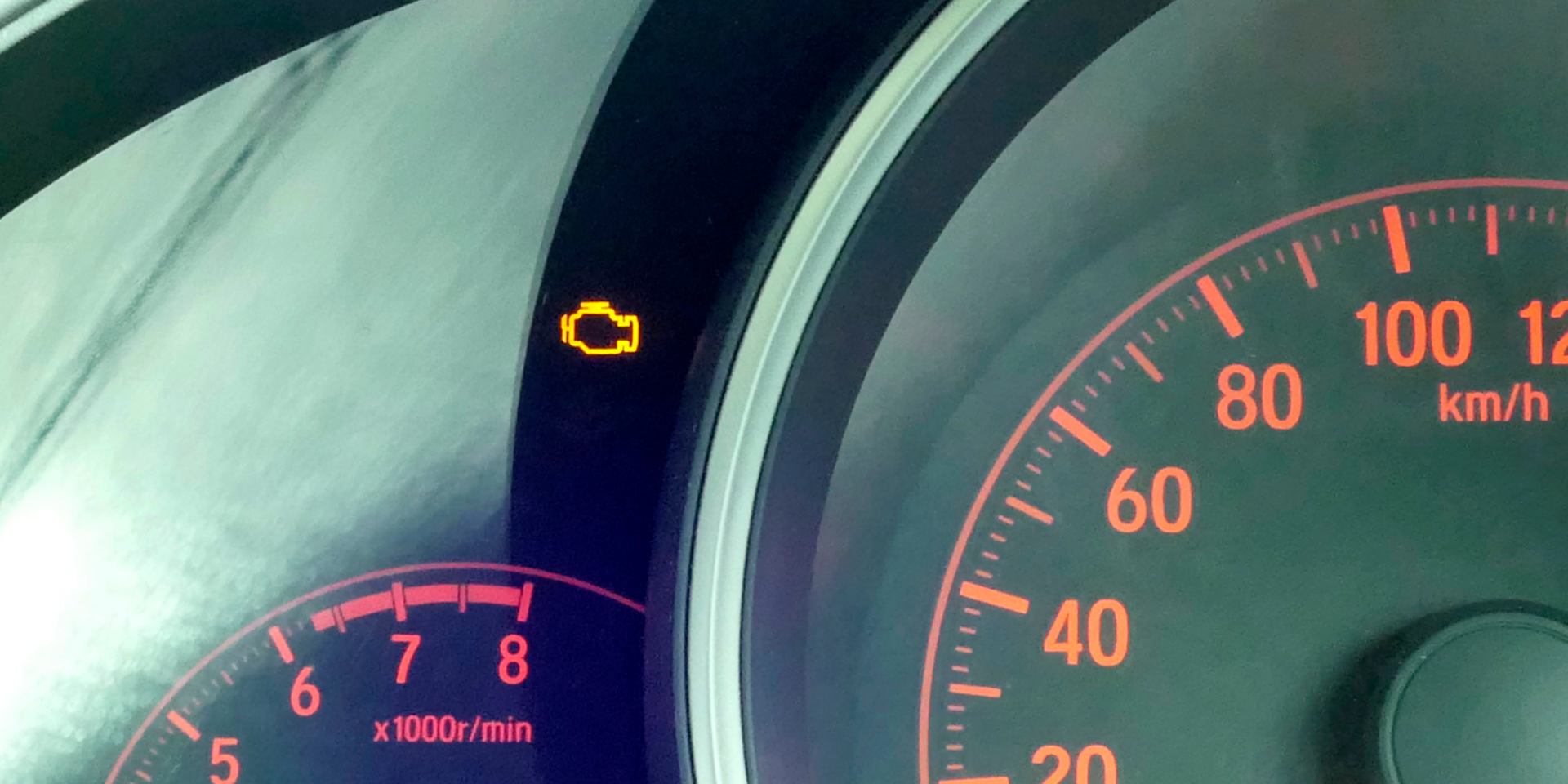
- Dashboard Warning Lights: Pay attention to any warning lights on your dashboard. A lit check engine light indicates that the vehicle's onboard diagnostics system has detected a problem. It’s prudent to have it checked as soon as possible.
- OBD-II Scanners: Invest in an OBD-II scanner. These devices can read diagnostic trouble codes (DTCs) from your car's computer, providing insight into potential issues. They are user-friendly and can help you decide whether a professional mechanic is needed.
- Unusual Sounds and Smells: Be vigilant about any new noises or odors coming from your car. Squealing brakes, knocking engines, or burning smells can be indicators of underlying issues that require attention.
- Performance Changes: If you notice changes in performance, such as reduced fuel efficiency, sluggish acceleration, or difficulty starting, these could be signs of a problem that needs diagnosing.
Handling Serious Repairs: When to Seek Professional Help
While routine maintenance and diagnostics can be handled by most car owners, some repairs require professional expertise. Knowing when to seek help can prevent further damage and ensure safety.
- Engine Issues: If you experience persistent engine troubles, such as stalling or misfiring, it’s time to consult a professional. Complex engine repairs should only be handled by certified mechanics.
- Transmission Problems: Issues like slipping gears, delayed shifting, or transmission fluid leaks can indicate serious problems. Transmission repairs are intricate and best left to experts.
- Suspension and Steering: If your car feels unstable or you're experiencing difficulties steering, these could be signs of suspension issues. Professional inspection is crucial for safe handling.
- Electrical System Failures: Modern cars rely heavily on electrical systems. If you're facing electrical failures, such as dead displays or non-functioning lights, a professional diagnosis is essential.
Additional Tips for Safe and Efficient Car Care
Beyond routine maintenance and repairs, there are several other strategies to ensure your vehicle remains safe and efficient throughout the school year:
- Emergency Kit: Equip your car with an emergency kit, including a first-aid kit, flashlight, jumper cables, and basic tools. Being prepared can make a difference in unexpected situations.
- Regular Cleaning: Keep your car clean, both inside and out. Regular washing prevents paint damage, while a tidy interior improves comfort and reduces distractions.
- Safe Driving Habits: Practice safe driving habits, such as adhering to speed limits and avoiding aggressive driving. These habits not only ensure safety but also reduce wear and tear on your vehicle.
- Seasonal Adjustments: As seasons change, adjust your car care routine. For example, in colder months, ensure your antifreeze levels are adequate, and in warmer months, check your cooling system.
By following these comprehensive car care tips, you’ll be well-prepared for the back-to-school season, ensuring a safe and reliable journey for you and your loved ones. Remember, preventative maintenance is key to avoiding costly repairs and ensuring peace of mind on the road. And remember, Accountable Auto Care in Broomfield is here for you and your family!